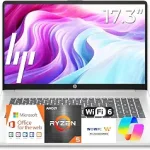
HP 14″ HD Chromebook Laptop for Students
Lenovo Flagship Chromebook, 14” FHD Touchscreen
Lenovo IdeaPad Slim 3i
Best Laptop Students Black Friday Deals 2026
Choosing a student laptop during Black Friday is less about chasing the biggest headline offer and more about matching the machine to coursework, preferred operating system, and everyday study habits. The options here range from two Chromebooks with 4GB RAM and 64GB eMMC storage to a Windows-oriented IdeaPad Slim 3i with 16GB RAM and a 1TB SSD. Before comparing any Black Friday offer, check that the listing is for the exact model and configuration you want. The Best Budget and Best Overall labels are editorial picks among these three products, not claims about measured performance or the market as a whole.
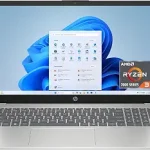
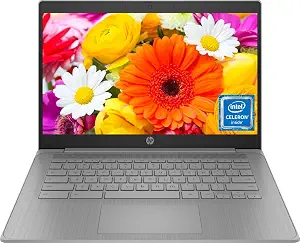
HP 14″ HD Chromebook Laptop for Students
The HP 14-inch HD Chromebook is the Best Budget pick among these featured options. Its listed configuration pairs an Intel Celeron N4120 processor with 4GB RAM and 64GB eMMC storage, and it runs Chrome OS. That makes it a straightforward option to consider if your student needs a Chromebook and the listed configuration suits the school’s usual coursework. Before a Black Friday purchase, check whether the required applications and school services work with the operating system; the product details here do not specify particular apps or school requirements.
The 14-inch display has a resolution of 1366 x 768 pixels. That gives shoppers specific screen information to weigh against their priorities: consider whether this display size and resolution are comfortable for reading course materials, viewing documents, or working with several items on screen. The listed wireless specification is 802.11ac. If you are comparing Black Friday listings, verify that the title and specifications match this HP configuration rather than assuming another similarly named Chromebook has the same display, memory, or storage.
Its modestly specified memory and storage are important tradeoffs to consider, not reasons to assume how the laptop will perform. Think about the student’s actual workflow: how much material they expect to keep locally, what services their courses require, and whether their work can be handled within the Chromebook environment. The product information does not identify storage expansion or particular bundled software, so check the listing if either matters. For a Black Friday shortlist centered on a 14-inch Chromebook with Chrome OS, this HP offers a clearly stated set of core specifications to compare.
Key specs
| Processor | Intel Celeron N4120 |
| Processor cores | 4 Cores & Threads |
| Memory | 4GB RAM |
| Storage | 64GB eMMC |
| Operating system | Chrome OS |
| Display | 14 inches |
| Resolution | 1366 x 768 pixels |
| Wireless | 802.11ac |
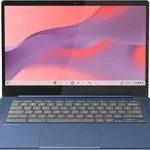
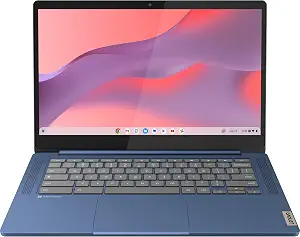
Lenovo Flagship Chromebook, 14” FHD Touchscreen
The Lenovo Flagship Chromebook earns the Best Overall label among the products in this guide. Its listed configuration combines a 14-inch Full HD touchscreen with a MediaTek Kompanio 520 octa-core processor, 4GB RAM, and 64GB eMMC storage. It runs Google Chrome OS. The Best Overall label is an editorial choice for this selection, not a test result or a statement that it is right for every student. Check that a Chromebook fits the student’s required software and school services before treating a Black Friday offer as a match.
The Full HD touchscreen is a useful distinction to weigh if display format is high on your list. Touch input is specified, but the listing facts do not establish that a stylus is included or describe any particular touch-focused software. The wireless details list Wi-Fi 6, 11ax 2×2, and Bluetooth 5.1 combo. Battery life is listed as 13.5 hours; treat that figure as the product’s stated specification rather than a guarantee for every student’s usage. On Black Friday, compare the exact configuration and listed details instead of relying on a broad product title.
This Lenovo shares 4GB RAM and 64GB eMMC storage with the HP Chromebook, so those are sensible points to compare directly when deciding between the two. The display details, processor, wireless specification, and stated battery life also differ in the supplied product information. Think through what matters most for the student rather than assuming one configuration will suit every course. For example, check school requirements and consider whether touch input is a priority. If you find a Black Friday listing, make sure it identifies this Lenovo model and the features you intend to buy.
Key specs
| Display | 14″ Full HD Touchscreen |
| Processor | MediaTek Kompanio 520 processor (Octa-Core, 4x A73 @2.0GHz + 4x A53 @2.0GHz). |
| Memory and storage | 4GB RAM + 64GB eMMC |
| Operating system | Google Chrome OS |
| Wireless | Wi-Fi 6, 11ax 2×2 + Bluetooth 5.1 combo |
| Battery life | 13.5 hours |
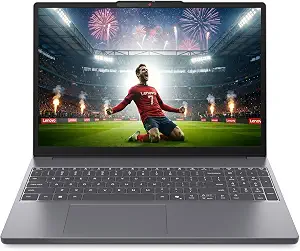
Lenovo IdeaPad Slim 3i
Check Price on Amazon
The Lenovo IdeaPad Slim 3i is Best for a larger touchscreen workspace in this selection, based on its listed 15.3-inch WUXGA touchscreen display. It is a different kind of option from the two Chromebooks: the supplied facts describe an Intel Core Ultra 5 Processor 322, 16GB RAM, and 1TB SSD storage. Those specifications may make it worth considering for students whose priorities include this display format and larger stated memory and storage capacities. They do not, by themselves, establish how it will perform with any specific application or course workload.
The display is listed as a touchscreen with a 120Hz refresh rate, and the battery capacity is stated as 60 watt-hours. These details can help narrow a shortlist, but they do not answer every practical question. If a particular application, school service, or study setup is essential, confirm that it suits the laptop before buying; the provided product information does not identify an operating system or application compatibility. During Black Friday, check that the offer refers to the IdeaPad Slim 3i configuration with the processor, memory, storage, and display specifications you expect.
Compared with the Chromebook options in this guide, the IdeaPad’s supplied specifications call out 16GB RAM and 1TB SSD storage, while the Chromebooks list 4GB RAM and 64GB eMMC storage. Those are differences in the stated configurations, not a promise of a particular speed or a verdict on which laptop is best for every student. Consider the student’s software requirements, preferred display size, and need for local storage. The 120Hz refresh rate and 60 watt-hour battery capacity are also listed details to consider. A Black Friday deal is only useful if the precise configuration fits those needs.
Key specs
| Processor | Intel Core™ Ultra 5 Processor 322 |
| Display | 15.3″ WUXGA Touchscreen Display |
| Memory | 16GB RAM |
| Storage | 1TB SSD Storage |
| Refresh rate | 120Hz Refresh Rate |
| Battery capacity | 60 watt-hours |
How to compare Black Friday laptop offers
Start with the exact product configuration, not the size of an advertised discount or a broad name such as Chromebook or student laptop. Compare the processor, memory, storage, display, and operating system shown for the listing with the specifications that matter to the student. In this guide, for example, both Chromebooks list 4GB RAM and 64GB eMMC storage, while the IdeaPad lists 16GB RAM and a 1TB SSD. Those figures describe the configurations; they do not establish how a device will handle a specific course or application.
For Black Friday, check the current listing carefully before deciding whether an offer is worthwhile. The information here does not provide prices, discounts, stock, or sale terms, so there is no basis for calling any product a particular bargain. Make a shortlist based on requirements first, then compare the exact offer and variant available to you. If a detail important to your decision is not shown, look for it on the product listing rather than assuming it matches another version. A lower offer on a configuration that does not meet the student’s needs is not necessarily the right choice.
Match the operating system to coursework
The HP and Lenovo Chromebook both list Chrome OS, with the Lenovo specifying Google Chrome OS. The IdeaPad’s supplied facts do not state an operating system, so confirm that detail if it affects your decision. Students may have requirements set by a school, course, or instructor; check which applications and services are needed before choosing. Do not assume that a particular program is supported simply because a laptop is described as suitable for students, or infer a missing specification from the product name.
This check is particularly useful while browsing Black Friday deals, when similar product names can make configurations difficult to distinguish. Write down the required operating system and any essential applications, then compare those needs with the exact listing. If the student mainly uses school-provided services, confirm their requirements directly rather than guessing from the laptop category. The product facts in this guide do not identify specific bundled applications, so shoppers should not treat software as included unless the listing says so. A suitable offer begins with a verified match to the student’s actual coursework.
Choose a display for the way the student studies
The two Chromebooks list 14-inch displays, but their supplied display descriptions are not identical. The HP lists 1366 x 768 pixels, while the Lenovo lists a 14-inch Full HD touchscreen. The IdeaPad has a 15.3-inch WUXGA touchscreen display and a stated 120Hz refresh rate. Consider which display size and details matter for the student’s reading, document work, and study space. These facts allow a shopper to compare formats, but they do not guarantee that a particular display will feel comfortable to every user.
Touchscreen details can be a deciding factor if the student prefers touch input, but do not assume that a stylus comes with a product unless the listing confirms it. For Black Friday, verify the screen specification on the precise model page instead of relying on a cropped image or a short deal headline. Think about where the laptop will usually be used and whether the listed display size works for that setting. Choosing a screen is a personal fit decision; the available specifications are useful clues, not a substitute for checking the student’s preferences.
Think through memory and storage needs
Memory and storage are easy specifications to overlook when a Black Friday offer appears attractive. The HP and Lenovo Chromebooks each list 4GB RAM and 64GB eMMC storage. The IdeaPad lists 16GB RAM and 1TB SSD storage. These are clear configuration differences, but the provided details do not explain how much storage a student’s files will use or how a particular application will behave. Think about whether coursework is kept locally, where school files are stored, and what software requirements apply before deciding which listed capacity makes sense.
Avoid assuming that an unlisted expansion option or a specific file-storage service is included. Check the exact product information if upgradeability, bundled services, or other storage details matter. On Black Friday, compare like with like: a product name alone may not tell you whether two offers have the same memory and storage. The right choice depends on the student’s needs and the configuration being offered, not just the largest number in a deal description. Keep the key requirements visible while comparing so that a promotion does not distract from a meaningful specification mismatch.
Check connectivity and battery details in context
Wireless and battery information can help distinguish listings, but use each specification in context. The HP lists 802.11ac wireless. The Lenovo Chromebook lists Wi-Fi 6, 11ax 2×2, and Bluetooth 5.1 combo, along with battery life of 13.5 hours. The IdeaPad lists a battery capacity of 60 watt-hours rather than a stated battery-life figure. Capacity and stated battery life are different kinds of information, so do not treat them as directly interchangeable or infer how long the IdeaPad will run from its capacity alone.
Consider the student’s usual study locations and check whether the relevant network and device requirements are met. The supplied details do not establish performance on a particular network or battery runtime under a student’s workload. If battery life is important, check the exact listing for any additional information and consider that the stated figure is a specification, not a guarantee for every use pattern. While weighing Black Friday offers, keep connectivity and battery needs alongside operating system, display, and storage rather than letting one feature determine the whole purchase.
Make your Black Friday choice
The strongest student laptop choice is the one that matches required software, preferred screen, and practical storage needs—not simply the one with the most prominent Black Friday offer. The HP is the Best Budget pick in this group, the Lenovo Chromebook is Best Overall, and the IdeaPad is Best for a larger touchscreen workspace; each label is limited to these featured options. Check the exact model and configuration before buying, and confirm any school-specific requirements that are not covered by the listed facts. No current discount or availability is established here, so judge the offer you see against the specifications the student actually needs.